
Marine Cooling Systems
A lot of what we do at Western Suburbs Radiator Service, is looking after the marine industry. Marine cooling is a complex system, and there are many different methods that we use to approach various marine applications. All kinds of marine vessels, such as ships, boats and other maritime installations, are high on our agenda of jobs that we undertake.
Longevity of Marine Vessels
Marine cooling systems need to be able to withstand harsh marine conditions, including exposure to seawater, humidity and vibration. Regular inspections and proper maintenance are necessary to prevent corrosion and fouling caused by debris and organisms. Marine cooling plays a vital role in maintaining optimal performance for the efficiency and longevity of safe, reliable vessels at sea.
Common Methods Used In Marine Cooling
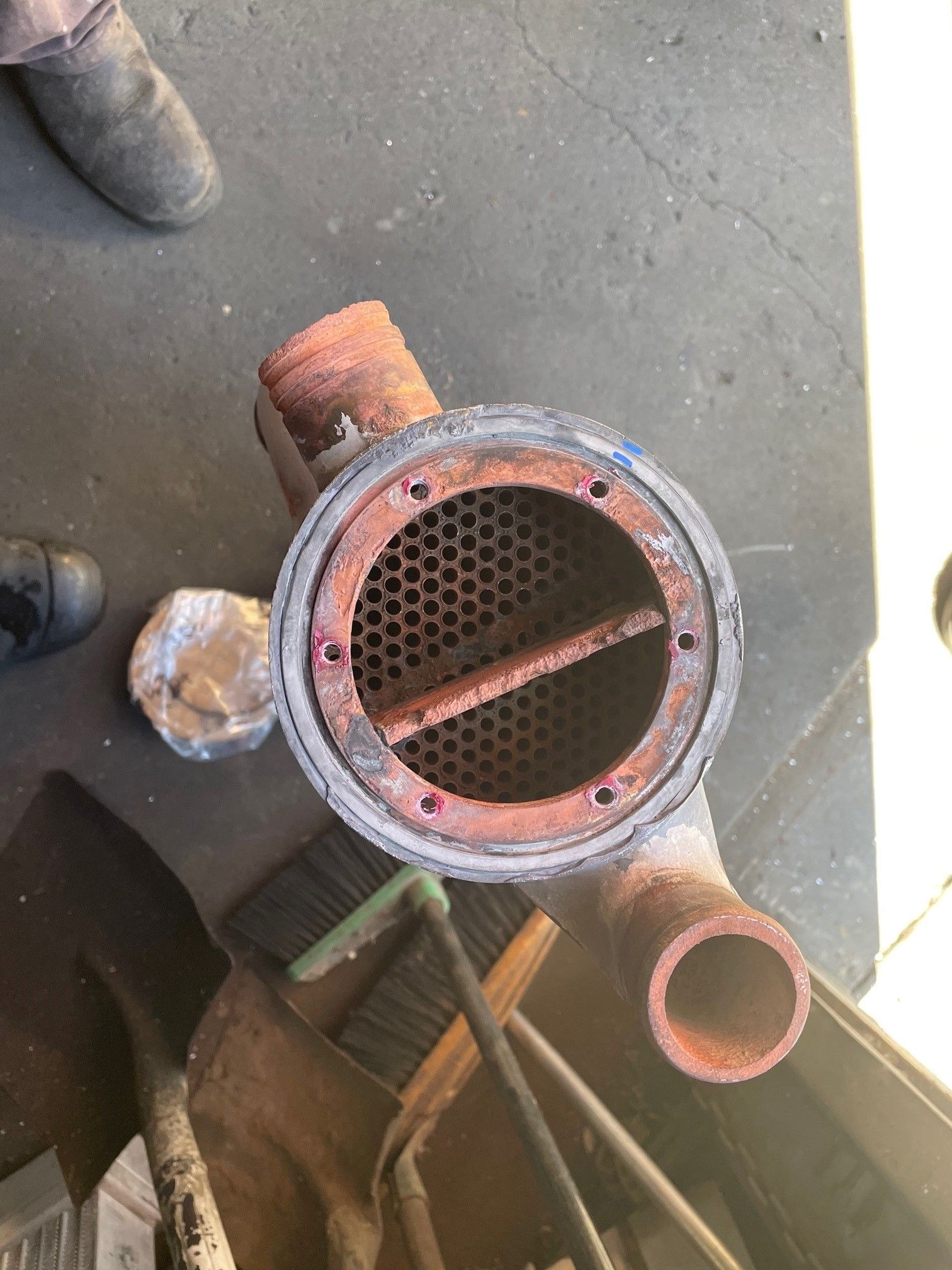
Truck Radiators and Heavy Machinery
Air Cooling – Involves the use of fans or blowers to circulate air over heat-generating components, dissipating the heat and maintaining lower temperatures. Air cooling is used for smaller equipment and electronic components. Air cooling is usually combined with other cooling methods as well.
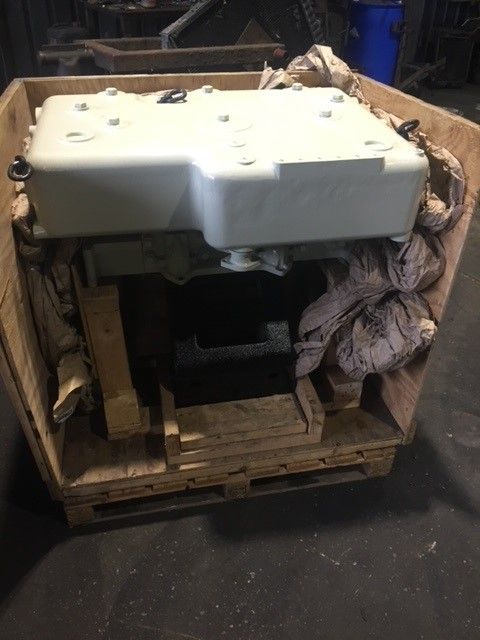
Marine Coolers
Closed-Loop Cooling Systems – This method uses a coolant, such as freshwater or a specialised fluid, to absorb heat from the marine equipment. This coolant is then circulated through a heat exchanger to transfer the heat to another cooling medium like seawater or air.
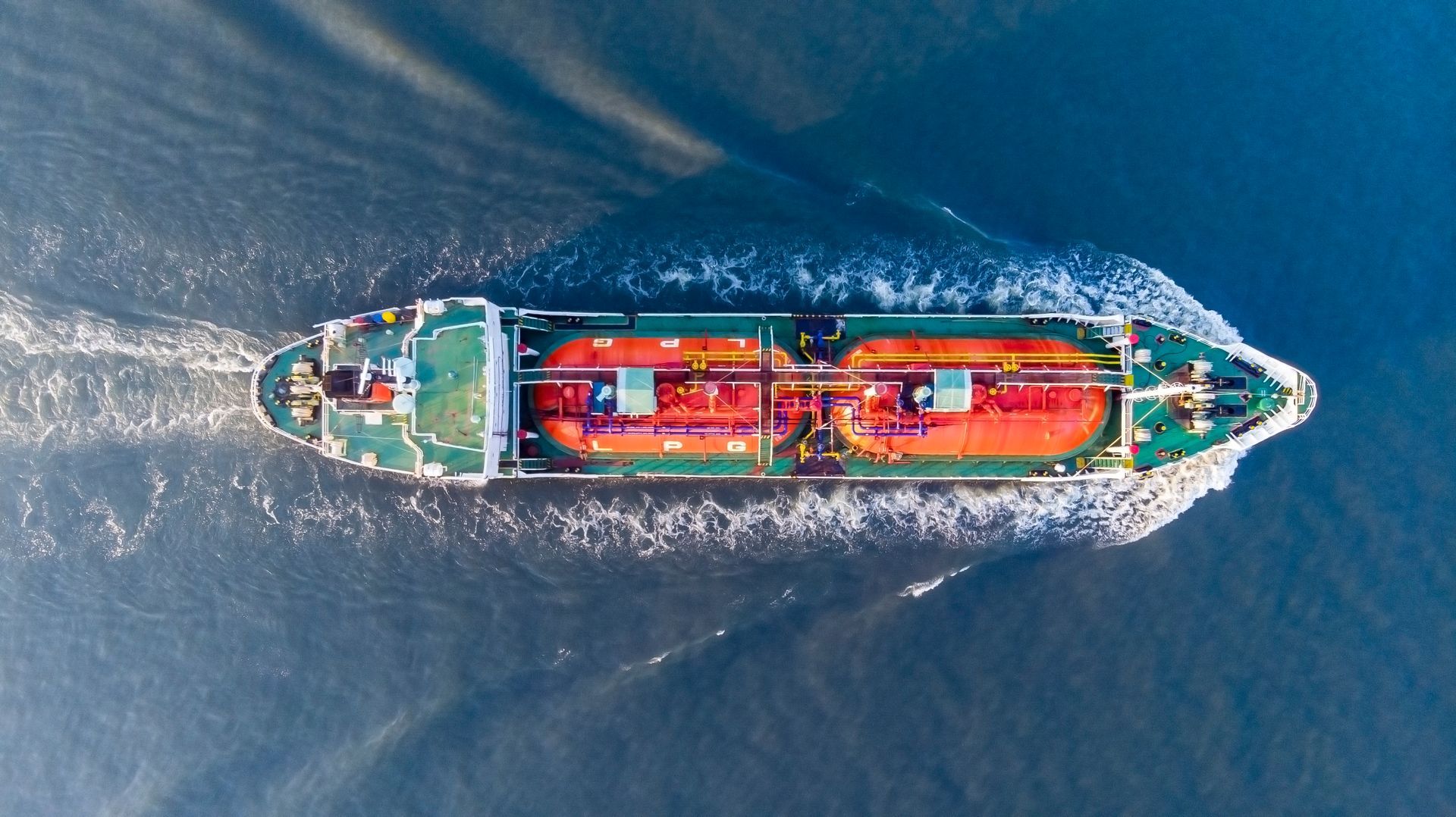
Generators
Seawater Cooling – This is a widely used technique in marine applications, which involves pumping seawater through heat exchangers or condensers. The seawater absorbs the heat from various systems, like the engines, generators and air conditioning systems, and then discharges this heat back into the sea.
Get more information from our expert team.